
Article 9
Democratic Oversight, Ethics, and Strategic Risk in the Employment of Special Mission Units
Abstract
This article examines the mechanisms of democratic oversight, ethical constraints, and strategic risk associated with the employment of the United States Army’s 1st Special Forces Operational Detachment-Delta (SFOD-D). It situates Delta Force within constitutional civil–military relations, assesses the ethical frameworks governing targeted operations, and evaluates the strategic risks inherent in the normalisation of special mission force employment. The article argues that effectiveness in special operations is inseparable from legitimacy, and that oversight is a functional requirement rather than a procedural burden.
1. Introduction
The sustained use of 1st Special Forces Operational Detachment-Delta in counter-terrorism and high-risk direct action operations has raised enduring questions regarding democratic accountability, ethical restraint, and strategic consequence. While operational secrecy limits public disclosure, democratic governance requires that the use of force remain subject to lawful authority, proportionality, and oversight. This article analyses how these requirements are met—and contested—in the context of special mission operations.

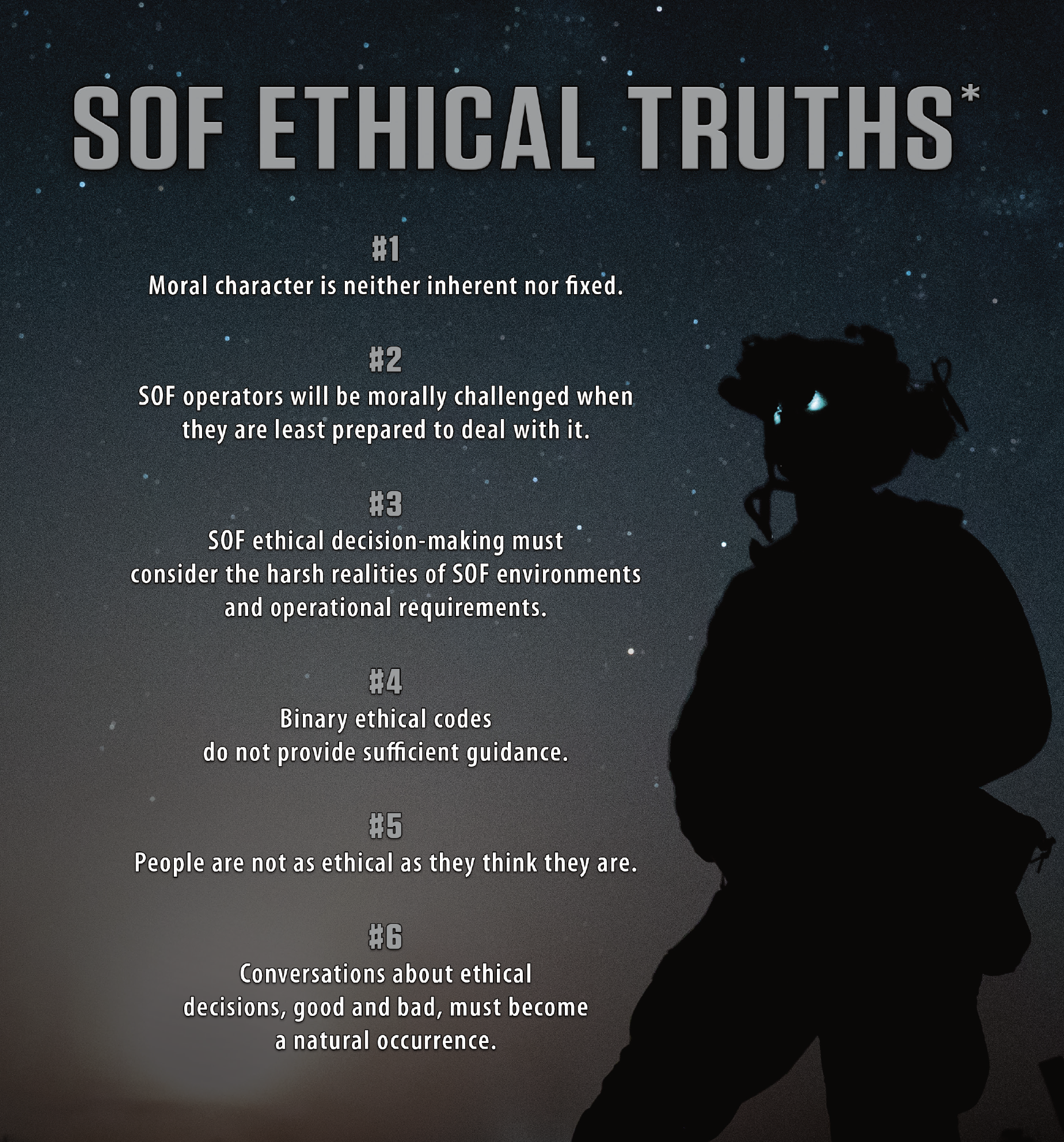
2. Democratic Oversight Frameworks
2.1 Constitutional Civil–Military Control
In the United States, the use of military force is governed by constitutional arrangements that place the armed forces under civilian authority. Special mission units operating under Joint Special Operations Command (JSOC) are no exception. Their employment is authorised through executive decision-making structures involving the President, Secretary of Defense, and relevant interagency processes.
2.2 Congressional Oversight
Although operational details are often classified, congressional oversight is exercised through:
- Armed Services Committees
- Intelligence Committees
- Appropriations processes
Briefings to select members and staff provide a mechanism for democratic accountability while preserving necessary secrecy. Scholars have noted, however, that the effectiveness of such oversight depends on the frequency, depth, and candour of executive disclosures.
3. Legal and Ethical Constraints
3.1 Law of Armed Conflict (LOAC)
Delta Force operations are governed by the Law of Armed Conflict and associated rules of engagement. Core principles include:
- Distinction between combatants and non-combatants
- Proportionality in the use of force
- Military necessity
- Accountability for violations
These principles apply regardless of the unit’s elite status or operational secrecy.
3.2 Targeted Operations and Ethical Debate
The increased reliance on targeted capture-or-kill missions has generated sustained ethical debate. Proponents argue that such operations:
- Minimise collateral damage
- Reduce large-scale military engagement
- Disrupt terrorist networks efficiently
Critics contend that persistent targeting risks:
- Normalising lethal force outside traditional battlefields
- Eroding due process norms
- Generating long-term resentment or “blowback”
From an ethical standpoint, these debates hinge not on capability, but on authorization standards, evidentiary thresholds, and proportionality judgments.
4. Secrecy and Accountability Tension
4.1 Secrecy as Enabler and Constraint
Operational secrecy enables Delta Force to function effectively in politically sensitive environments. However, secrecy also constrains:
- Public deliberation
- Judicial scrutiny
- External verification of compliance with ethical norms
This creates a structural tension in democratic systems, where legitimacy depends on transparency, but effectiveness requires discretion.
4.2 Internal Accountability Mechanisms
To mitigate this tension, accountability is enforced through:
- Internal legal review within the Department of Defense
- After-action reporting and classified audits
- Inspector General investigations when warranted
While these mechanisms are largely opaque to the public, they constitute the primary means by which ethical compliance is monitored.
5. Strategic Risk and Mission Creep
5.1 Normalisation of Special Mission Employment
One of the principal strategic risks identified in the literature is mission creep—the gradual expansion of special mission units from exceptional use to routine policy tools. As Delta Force became central to counter-terrorism strategy after 9/11, concerns emerged that tactical success could obscure broader strategic costs.
5.2 Tactical Success vs Strategic Outcome
Historical analysis suggests that:
- Tactical excellence does not guarantee strategic success
- Persistent raids may degrade networks but fail to resolve underlying political conflicts
- Over-reliance on elite units may delay diplomatic or structural solutions
From a governance perspective, restraint is therefore as important as capability.
6. Analytical Implications
The ethical and democratic evaluation of Delta Force cannot be reduced to questions of effectiveness alone. Rather, it requires:
- Clear legal mandates
- Robust oversight mechanisms
- Periodic strategic reassessment
- Institutional willingness to limit use
Elite units derive legitimacy not merely from success, but from alignment with democratic norms and long-term strategic objectives.
7. Conclusion
Delta Force operates at the intersection of secrecy, legality, and democratic accountability. While its capabilities provide the United States with a powerful tool for addressing acute security threats, those capabilities carry ethical and strategic risks if insufficiently governed. Effective oversight and ethical discipline are therefore not constraints on special mission operations, but essential conditions for their continued legitimacy within a democratic system.
References (Harvard Style)
Department of Defense (2016) Law of War Manual. Washington, DC: U.S. Department of Defense.
Joint Chiefs of Staff (2020) Joint Publication 3-05: Special Operations. Washington, DC: Department of Defense.
McRaven, W.H. (1995) Spec Ops: Case Studies in Special Operations Warfare. Novato, CA: Presidio Press.
United States Congress (1987) Report of the Joint Special Operations Review Group. Washington, DC: U.S. Government Printing Office.
Next
Article 10 — Knowledge Limits, Media Representation, and AI-Driven Misinformation in Special Operations