
Crimea’s Annexation by Russia: Historical Claims, Political Crisis, and Global Ramifications
Introduction
The 2014 annexation of Crimea by the Russian Federation stands as one of the most consequential geopolitical developments of the 21st century. Arising from the aftermath of Ukraine’s 2013–2014 political crisis, Russia seized control of Crimea, citing historical entitlements and strategic imperatives. Moscow conducted a controversial referendum to legitimise the annexation, while Ukraine and the majority of the international community denounced the act as a breach of international law and Ukrainian sovereignty. This article investigates the historical context of Crimea’s shifting sovereignty, the motivations behind Russia’s actions, the resulting economic and political changes, and the global diplomatic fallout.
Historical Background
Crimea has long held strategic and symbolic importance in regional politics.
- In 1783, the Russian Empire annexed Crimea from the Ottoman-affiliated Crimean Khanate under Catherine the Great, integrating it into Russian territory.
- In 1954, Soviet leader Nikita Khrushchev administratively transferred Crimea from the Russian Soviet Federative Socialist Republic to the Ukrainian SSR—a symbolic gesture within the USSR that would later become a point of contention after Soviet dissolution.
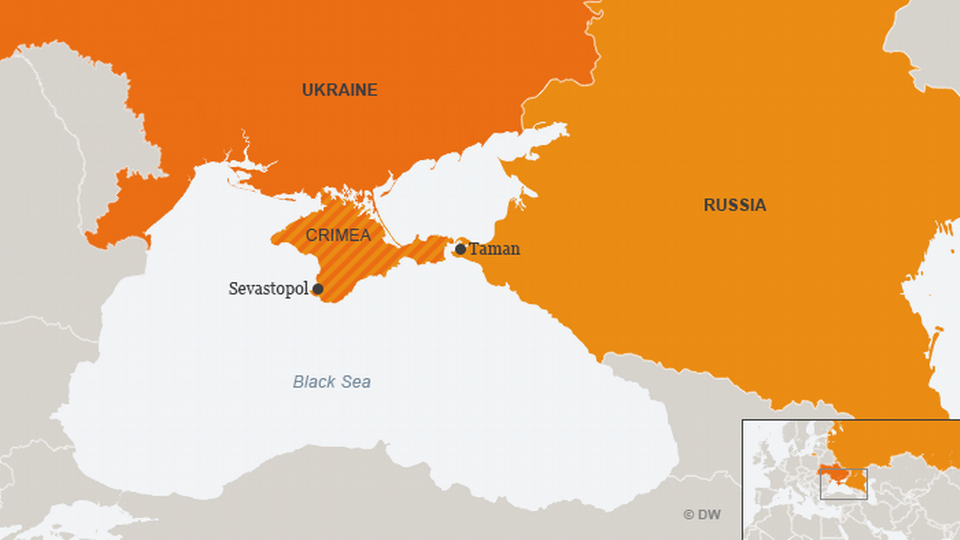
- Following Ukraine’s independence in 1991, Crimea remained within Ukraine’s borders as an autonomous republic, though with a significant ethnic Russian majority and strategic significance as home to Russia’s Black Sea Fleet in Sevastopol.
In the post-Soviet decades, Crimea became increasingly significant as Ukraine sought integration with Western institutions, notably the European Union and NATO, while Russia viewed such moves as encroachments on its sphere of influence.
Key Causes of Annexation
- Ukrainian Political Upheaval (2014)
The ousting of pro-Russian President Viktor Yanukovych during the Euromaidan protests destabilised Ukraine’s political landscape. Russia characterised the transition as a Western-backed coup, using it as a pretext for intervention in Crimea. - Strategic and Military Concerns
Crimea’s position in the Black Sea is vital for Russian naval power and regional influence. Losing control over Sevastopol’s naval base was considered a security threat by Moscow, motivating swift action to secure the territory. - Demographic and Cultural Factors
Crimea’s population, with over 60% ethnic Russians, was portrayed by Russia as sympathetic to reunification. While a referendum held on 16 March 2014 indicated overwhelming support for joining Russia, its credibility was widely challenged due to the presence of Russian troops and the absence of international observers. - Opposition to Western Expansion
The Kremlin framed the annexation as a defensive response to NATO’s eastward expansion and Ukraine’s pro-Western trajectory, casting the move as a reassertion of Russian influence and national identity.
Effects of Annexation
Economic Impact
- The Crimean economy suffered significant setbacks due to international sanctions targeting individuals, businesses, and trade. Tourism declined, and foreign investment withdrew, resulting in stagnation.
- Russia committed substantial financial and military resources to the peninsula, including the construction of the Crimean Bridge, linking Crimea to mainland Russia.
- Ukraine experienced economic loss, particularly in terms of agricultural assets, energy infrastructure, and strategic port access.
Political and Social Changes
- Crimea’s integration into the Russian Federation led to the dissolution of its autonomous status. New administrative and legal systems were implemented in accordance with Russian governance.
- Reports of political repression increased, especially among pro-Ukrainian activists, Crimean Tatars, and independent journalists.
- The annexation entrenched the political division between Russia and Ukraine, contributing to the outbreak of armed conflict in Eastern Ukraine and the long-term destabilisation of the region.
International Responses
- Western nations, including the United States, European Union, Canada, and others, imposed coordinated sanctions on Russia, targeting its economy, political elites, and financial institutions.
- The United Nations General Assembly, through Resolution 68/262, affirmed Ukraine’s territorial integrity and declared the referendum in Crimea invalid.
- Russia, in contrast, insisted that the annexation reflected the “will of the people” and framed the event as the rectification of a historical mistake made in 1954.
- Tensions between Russia and the West escalated, marking a significant deterioration in post–Cold War relations and prompting broader debates about sovereignty, international norms, and territorial integrity.
Conclusion
The annexation of Crimea has had profound implications for regional and global geopolitics. While Russia maintains its position on historical legitimacy and self-determination, the international community overwhelmingly views the move as a violation of Ukraine’s sovereignty and international law. The event not only reshaped Ukraine–Russia relations but also triggered long-lasting diplomatic and economic consequences, contributing to new security alignments in Europe. As tensions persist, Crimea remains emblematic of the challenges facing global governance in the 21st century.