
Article 5
Expansion and Maturation: Delta Force in the 1980s–1990s
Abstract
This article analyses the period of institutional consolidation experienced by the United States Army’s 1st Special Forces Operational Detachment-Delta (SFOD-D) during the late 1980s and 1990s. Following the structural reforms prompted by Operation Eagle Claw, Delta Force entered a phase of expanded operational employment, marked by improved joint integration, refined mission execution, and increased strategic confidence. Particular attention is given to operations in Panama and Somalia, which collectively illustrate both the maturation and the enduring limits of special mission force employment.
1. Introduction
By the late 1980s, 1st Special Forces Operational Detachment-Delta had transitioned from an experimental counter-terrorism capability into a fully institutionalised special mission unit. The reforms that followed Operation Eagle Claw—notably improved joint command structures, specialised aviation support, and clearer civilian authorisation pathways—created the conditions for more effective employment. This article examines how Delta Force’s operational role expanded during this period and how key missions shaped its doctrinal identity.
2. Institutional Context: Post-Reform Environment
2.1 Command and Control Improvements
The maturation of Joint Special Operations Command (JSOC) provided Delta Force with:
- Dedicated joint planning structures
- Improved interoperability with aviation and intelligence elements
- Faster, more reliable approval chains
These developments significantly reduced the structural weaknesses exposed in 1980 and allowed Delta Force to operate as intended: a nationally governed precision force.
3. Operation Just Cause and the Panama Missions (1989)

3.1 Strategic Context
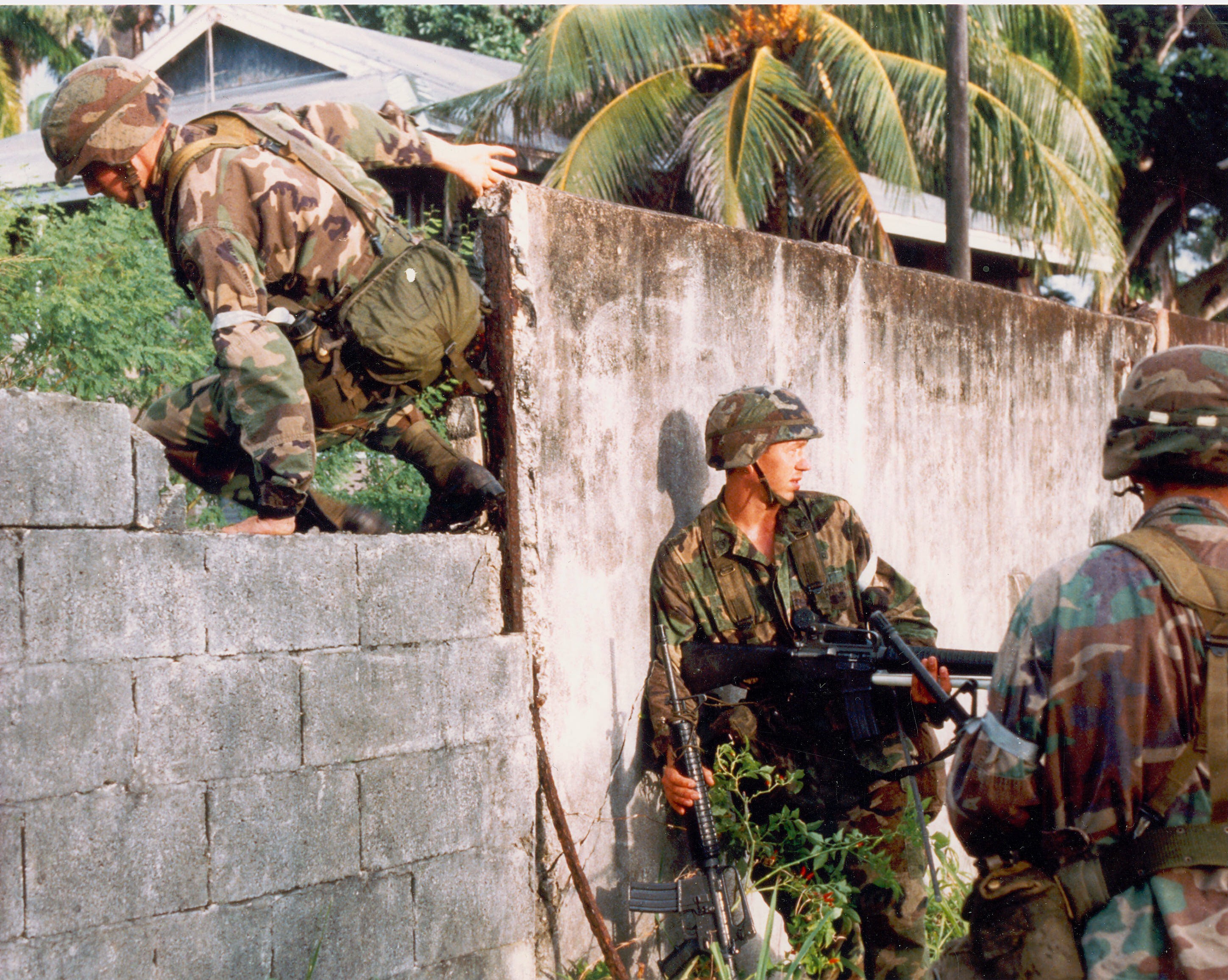
Operation Just Cause represented the first large-scale U.S. combat operation in which Delta Force was employed within a fully reformed special operations framework. The mission aimed to remove Panamanian leader Manuel Noriega, safeguard U.S. nationals, and restore democratic governance.
3.2 Operation Acid Gambit
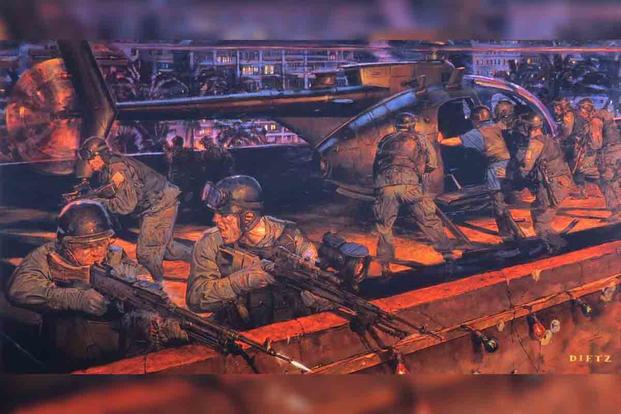
Within Just Cause, Delta Force conducted Operation Acid Gambit, a high-risk urban hostage rescue operation to extract U.S. citizen Kurt Muse from Carandiru Prison.
The operation demonstrated:
- Effective integration of assault forces and aviation
- Precision execution in a dense urban environment
- Minimal collateral damage
This mission is widely regarded as an operational validation of Delta Force’s post-reform capabilities.
4. Somalia and Operation Gothic Serpent (1993)


4.1 Mission Objectives
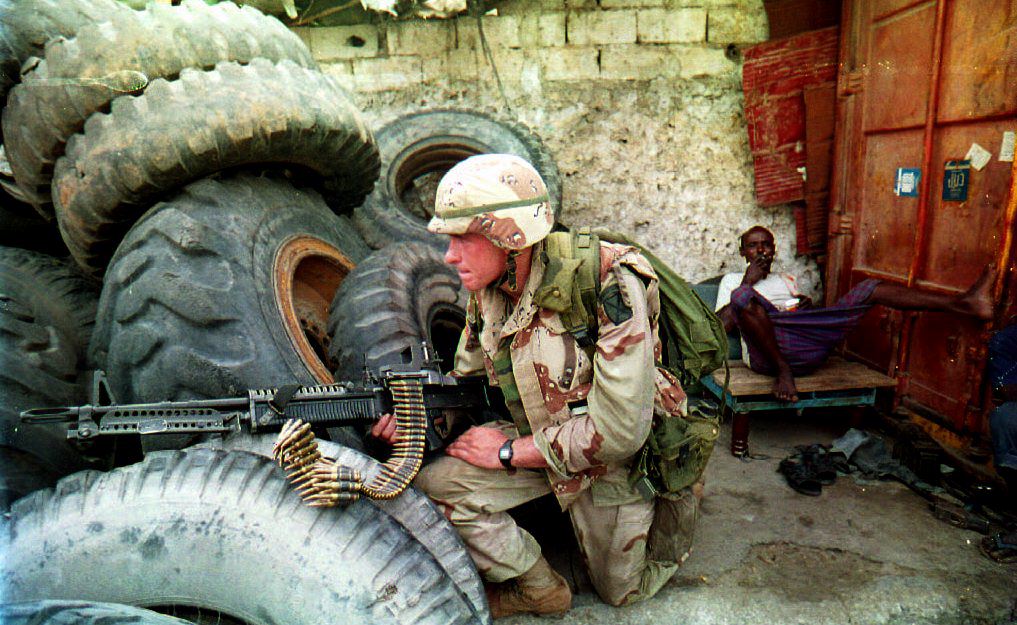
In Somalia, Delta Force was deployed as part of Operation Gothic Serpent, tasked with capturing key lieutenants of warlord Mohamed Farrah Aidid. The operation reflected a shift toward persistent man-hunting and urban direct action.
4.2 The Battle of Mogadishu
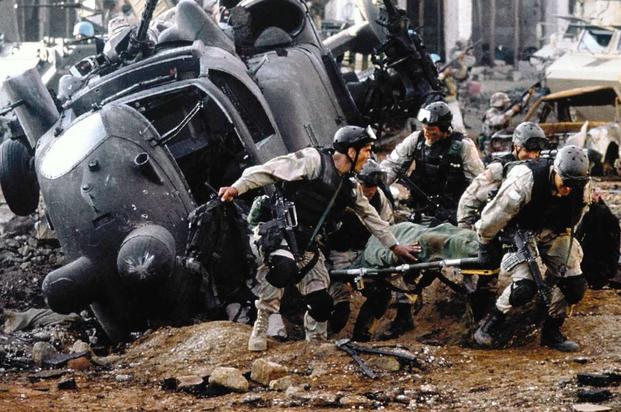
The events of October 1993—often referred to as the Battle of Mogadishu—resulted from a daylight raid that escalated into prolonged urban combat. While Delta Force operators performed their assigned tasks with tactical competence, the operation revealed critical tensions between:
- Tactical success and strategic consequence
- Military capability and political tolerance for casualties
The outcome significantly influenced U.S. foreign policy and rules of engagement for special operations in humanitarian interventions.
5. Analytical Implications
5.1 Maturation Achieved
By the mid-1990s, Delta Force had demonstrated:
- High proficiency in urban direct action
- Reliable joint interoperability
- Strategic responsiveness to executive direction
5.2 Enduring Constraints
At the same time, Somalia underscored that even elite special mission units:
- Cannot substitute for coherent political strategy
- Remain sensitive to escalation dynamics
- Operate within limits set by public and governmental tolerance
6. Conclusion
The late 1980s and 1990s constituted a decisive maturation phase for Delta Force. Operations in Panama confirmed the effectiveness of post–Eagle Claw reforms, while Somalia exposed the strategic risks inherent in special mission employment within ambiguous political contexts. Together, these experiences refined Delta Force’s institutional identity as a highly capable but tightly constrained instrument of national power, reinforcing the principle that elite military capability must remain aligned with clear political objectives.
References
Beckwith, C.A. & Knox, D. (1983) Delta Force. New York: Harcourt Brace Jovanovich.
Bowden, M. (1999) Black Hawk Down: A Story of Modern War. New York: Atlantic Monthly Press.
Joint Chiefs of Staff (2020) Joint Publication 3-05: Special Operations. Washington, DC: Department of Defense.
United States Congress (1987) Report of the Joint Special Operations Review Group. Washington, DC: U.S. Government Printing Office.