
The Kosovo Conflict (1998–1999): Ethnic Tensions and International Military Intervention
Introduction
The Kosovo War of 1998–1999 was a violent culmination of ethnic, political, and territorial disputes in the Balkans following the disintegration of Yugoslavia. Centred on tensions between Kosovo’s majority Albanian population and Serbian authorities, the conflict drew international attention due to mass atrocities, civilian displacement, and NATO’s military intervention. This article analyses the origins, military phases, humanitarian consequences, and long-term implications of the war, drawing comparisons with the Russia–Ukraine conflict in terms of nationalism, sovereignty, and Western involvement.
1. Background: Ethnic and Political Roots of the Conflict
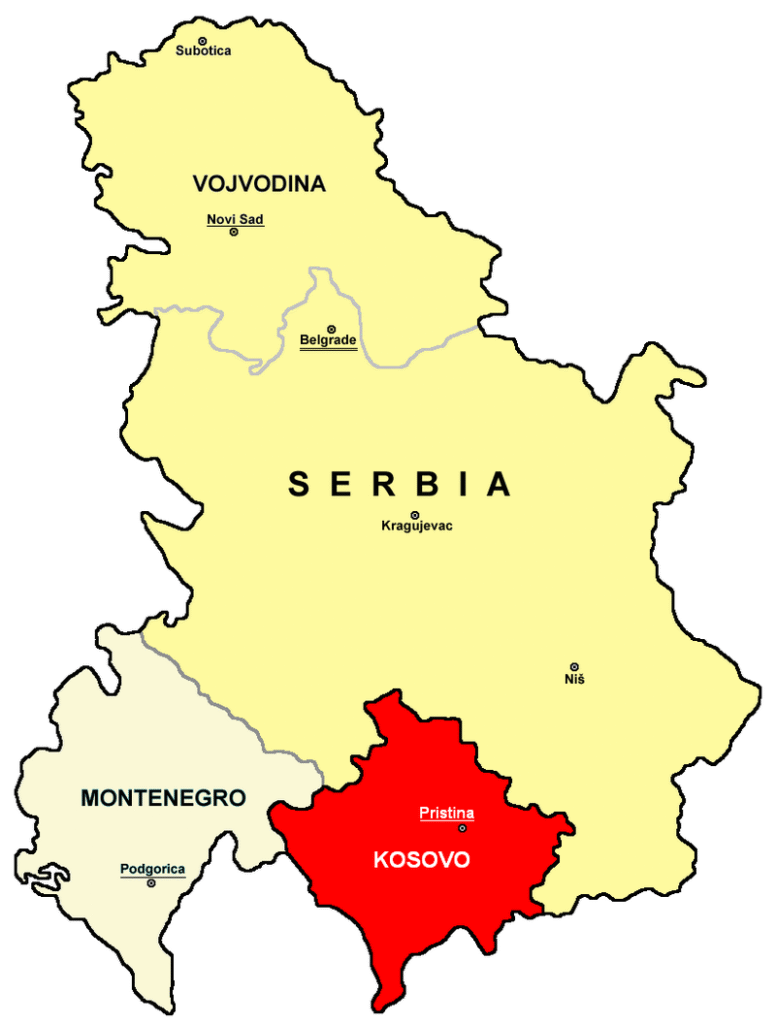
Kosovo, a province within Serbia, holds historic significance for Serbian national identity, yet its population was predominantly ethnic Albanian by the 1990s.
Following Yugoslavia’s breakup, Kosovo’s Albanian majority demanded autonomy, forming the Kosovo Liberation Army (KLA) to oppose Serbian rule. The Serbian government, under Slobodan Milošević, responded with military repression, labelling the movement a terrorist threat.
The conflict quickly escalated into a broader ethno-political crisis, marked by:
- Civilian casualties
- Ethnic cleansing allegations
- International diplomatic pressure
The war bears resemblance to Russia’s narrative in Ukraine, where territorial integrity is pitted against secessionist or ethnically aligned independence claims, with both cases triggering Western scrutiny and involvement.
2. Conflict Progression and Global Intervention
2.1 Phase One: Serbian Crackdown (1998–Early 1999)
Serbian forces initiated aggressive counterinsurgency operations, targeting:
- KLA strongholds
- Albanian civilian communities
Documented atrocities—including the Račak massacre—intensified international condemnation and calls for intervention.
2.2 Phase Two: NATO Intervention (March–June 1999)
After failed peace talks in Rambouillet, NATO launched a 78-day aerial bombing campaign:
- Targeting Serbian military infrastructure
- Forcing Serbia’s military withdrawal
- Conducted without explicit UN Security Council authorisation, a precedent-setting move
Unlike the current Russia–Ukraine war, where NATO has refrained from direct combat, the Kosovo intervention illustrates active military engagement under humanitarian grounds.
2.3 Phase Three: Post-War Transition and Independence Movement
Following Serbia’s retreat, Kosovo was placed under United Nations administration (UNMIK).
In 2008, Kosovo declared independence, which remains partially recognised, with opposition from Serbia, Russia, and China.
3. Humanitarian Impact and Political Aftermath
3.1 Casualties and Displacement
- Over 13,000 people were killed, most of whom were Kosovar Albanians
- Nearly 1 million refugees fled to neighbouring countries
- Widespread war crimes and forced expulsions were reported
3.2 Post-Conflict Governance
Kosovo has functioned as a de facto independent state with:
- UN support for peacekeeping and institution-building
- Ongoing tension between Serb minority enclaves and Albanian majority rule
Its partial international recognition reflects enduring questions around sovereignty, self-determination, and global diplomatic divisions.
3.3 Strategic and Legal Legacy
The Kosovo conflict remains a touchstone for humanitarian intervention doctrine, influencing:
- NATO’s evolving defence posture
- Legal debates about intervention without UN Security Council approval
In contrast to Kosovo, Ukraine’s resistance is state-led, not separatist-based, yet both cases involve:
- Disputes over territorial integrity
- International responses to civilian targeting
- Sovereignty battles against larger regional powers
4. Comparative Reflection: Kosovo and Ukraine
| Theme | Kosovo Conflict (1998–1999) | Russia–Ukraine War (2022–Present) |
|---|---|---|
| Conflict Type | Internal secession + repression | Interstate war + annexation |
| Western Response | Direct NATO military intervention | Indirect support (arms, sanctions) |
| Legal Recognition | Partial recognition (2008–present) | Ukraine widely recognised; annexed areas disputed |
| Civilian Impact | Mass expulsions and war crimes | Civilian deaths, displacement, war crimes |
| UN Role | UN administration post-war | UN condemns invasion, but limited role |
Conclusion
The Kosovo War underscores the complexities of ethnic conflict, sovereignty, and foreign intervention in the post-Cold War era. It set a precedent for NATO’s use of force under humanitarian justifications, while also revealing the diplomatic challenges of post-conflict recognition and governance.
As the Russia–Ukraine war unfolds, Kosovo serves as a historical lens through which to examine:
- The limits of sovereignty claims in ethnically contested regions
- The international community’s evolving tolerance for interventionism
- The long-term consequences of external military and diplomatic involvement