
Article 6
Post-9/11 Transformation: Delta Force in Afghanistan, Iraq, and the Global Counter-Terrorism Campaign
Abstract
This article analyses the transformation of the United States Army’s 1st Special Forces Operational Detachment-Delta (SFOD-D) following the terrorist attacks of 11 September 2001. It examines the unit’s expanded operational tempo, integration within joint and interagency task forces, and evolving mission profile in Afghanistan and Iraq. The article argues that the post-9/11 period marked a shift from episodic employment to sustained global counter-terrorism operations, reshaping both Delta Force’s institutional role and U.S. special operations doctrine.
1. Introduction
The attacks of 11 September 2001 constituted a strategic inflection point for U.S. national security policy. For 1st Special Forces Operational Detachment-Delta, the post-9/11 era transformed its role from a selectively employed crisis-response force into a continuously deployed instrument of global counter-terrorism. This article examines how Delta Force adapted to this new operational environment and how its employment shaped the broader conduct of U.S. special operations.
2. Strategic Context After 9/11
2.1 The Shift to Persistent Counter-Terrorism
Following 9/11, U.S. strategy prioritised the disruption, dismantlement, and defeat of transnational terrorist networks. This approach required:
- Persistent intelligence-driven operations
- Rapid global reach
- Close integration between military and intelligence agencies
Delta Force’s existing mandate and capabilities made it a central component of this strategy, particularly under the command of Joint Special Operations Command (JSOC).
3. Afghanistan: Initial Deployment and Early Operations
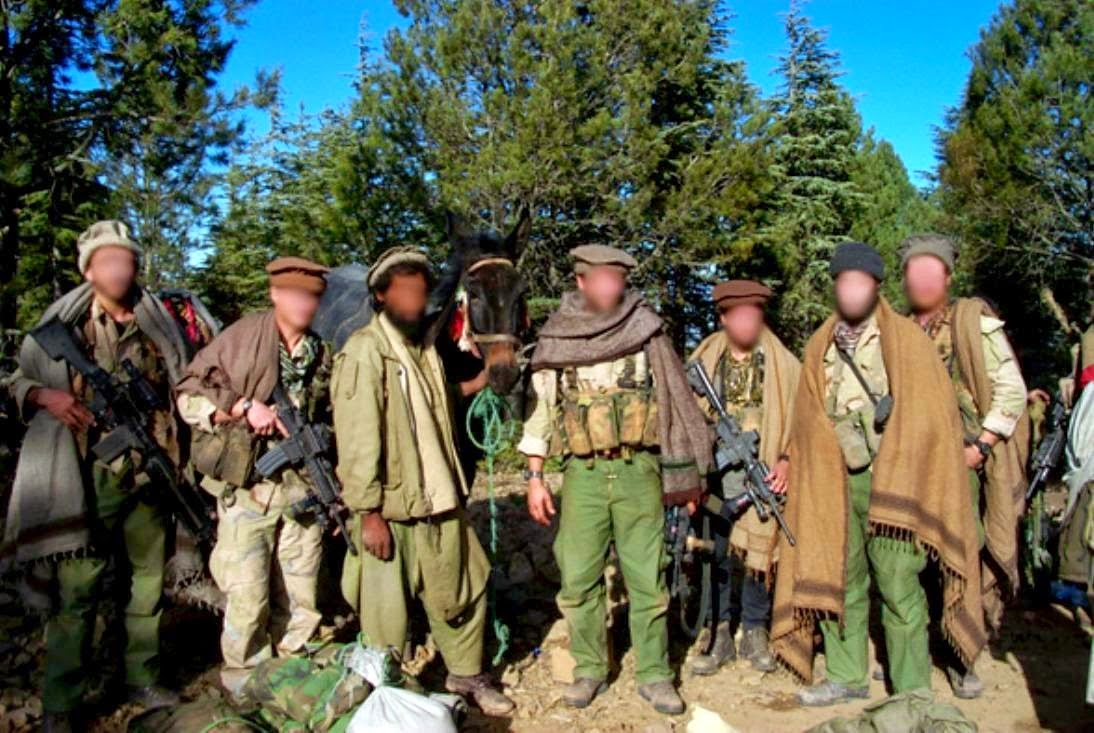

3.1 Early Entry into the Theatre
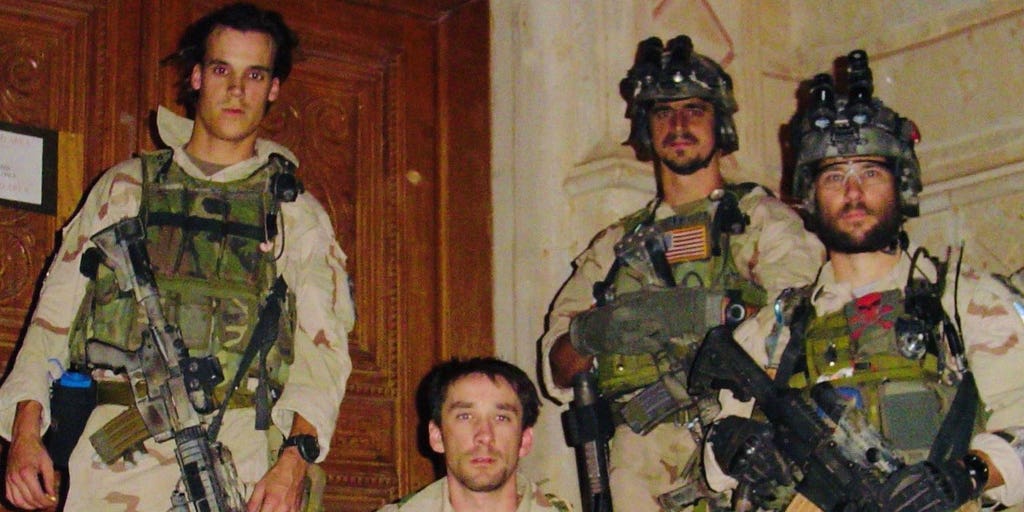
Delta Force was among the first U.S. military units deployed to Afghanistan in late 2001. Operating alongside intelligence personnel and other special operations elements, the unit conducted reconnaissance, target development, and direct action against senior al-Qaeda and Taliban figures.
3.2 Tora Bora and High-Value Target Pursuit
During operations in the Tora Bora region, Delta Force elements participated in efforts to locate and capture Osama bin Laden. While bin Laden ultimately evaded capture at that time, these operations underscored both the strengths and limitations of special mission forces operating in complex terrain and politically constrained environments.
4. Iraq: Institutionalisation of the “Man-Hunting” Model
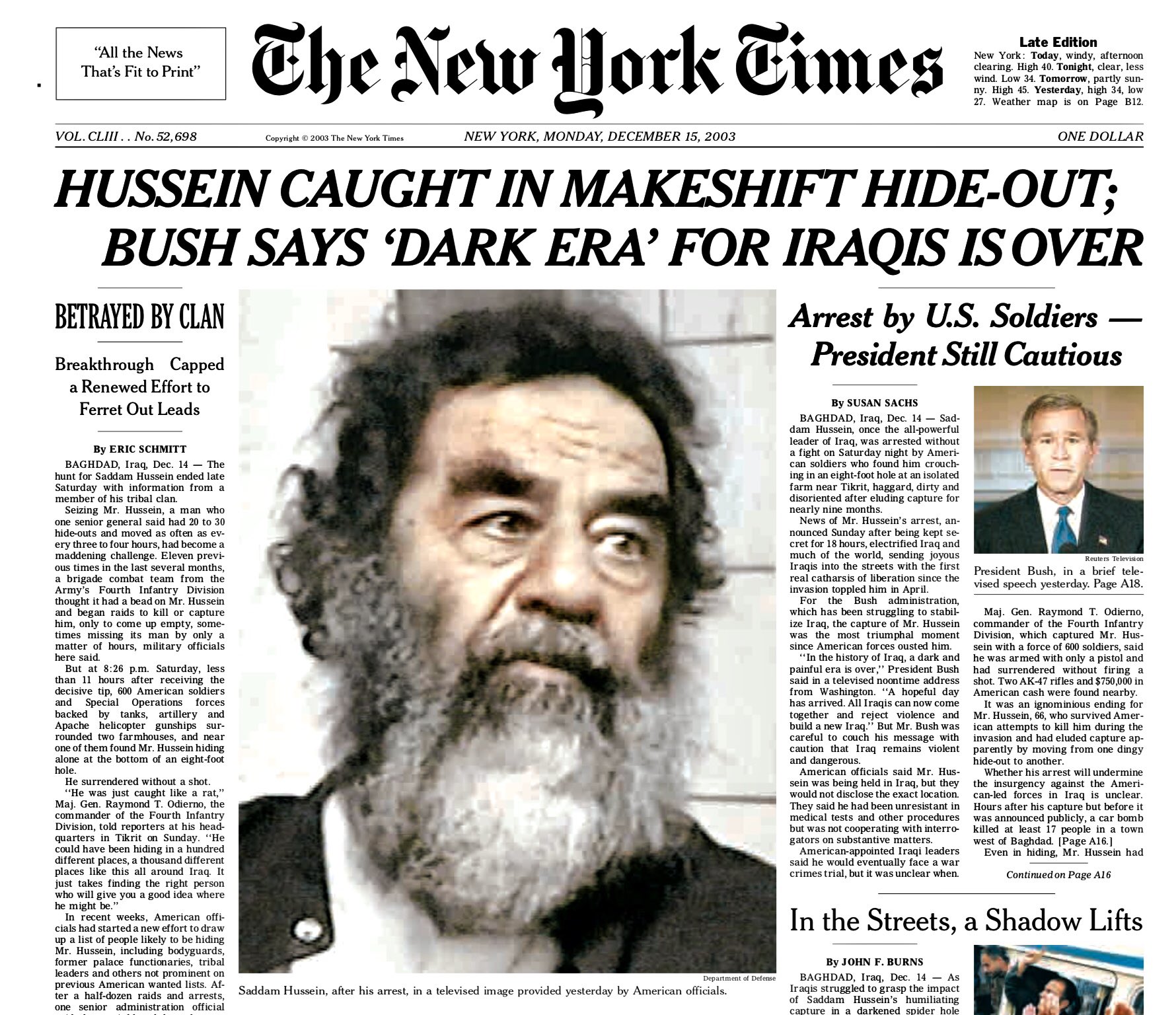

4.1 Invasion Phase and Operation Red Dawn
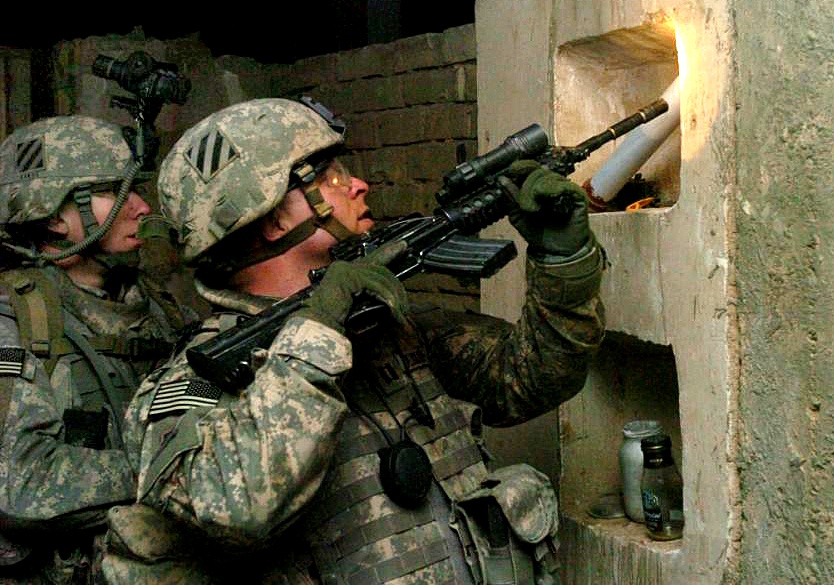
During the 2003 invasion of Iraq, Delta Force played a significant role in securing key infrastructure and pursuing regime leadership. This culminated in Operation Red Dawn, which resulted in the capture of Saddam Hussein.
4.2 Persistent Targeting Campaigns
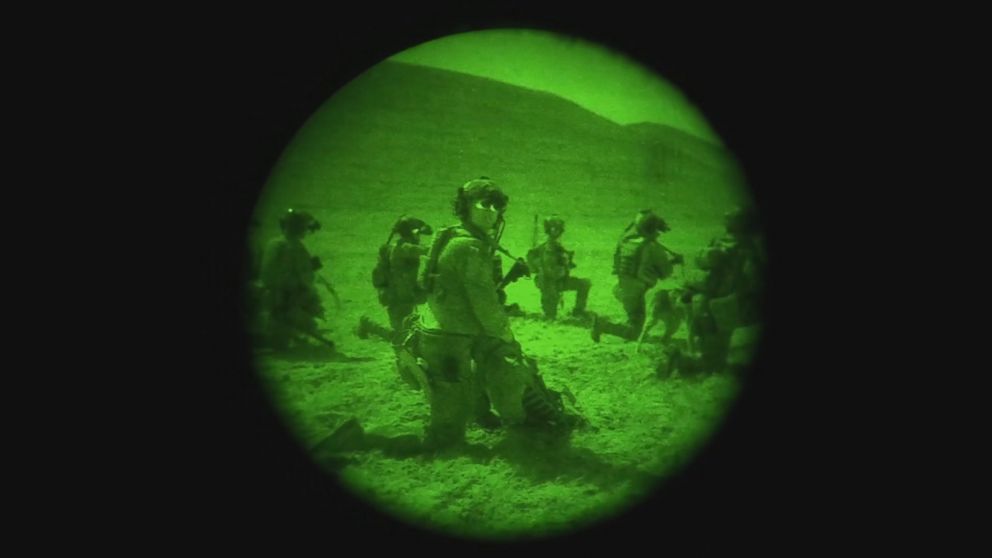
In the subsequent insurgency, Delta Force became a core component of JSOC task forces conducting continuous capture-or-kill operations against insurgent and terrorist networks. These campaigns relied on:
- Intelligence fusion
- Night raids
- Rapid exploitation of detainees and materials
This model represented a doctrinal evolution from episodic raids to sustained network disruption.
5. Global Counter-Terrorism Operations
5.1 Beyond Afghanistan and Iraq
As the Global War on Terror expanded, Delta Force operations extended to multiple regions, often in partnership with allied forces and intelligence agencies. Although specific missions remain classified, declassified accounts and official statements confirm the unit’s involvement in:
- Counter-al-Qaeda operations
- Counter-ISIS campaigns
- High-value target raids beyond declared battlefields
Notably, Delta Force elements were involved in operations leading to the deaths of senior terrorist leaders, including Abu Bakr al-Baghdadi in 2019.
6. Institutional and Doctrinal Implications
6.1 Normalisation of Special Mission Operations
The post-9/11 period effectively normalised the employment of special mission units as central instruments of U.S. strategy, rather than exceptional tools. For Delta Force, this resulted in:
- Increased operational tempo
- Expanded interagency integration
- Greater reliance on intelligence-driven targeting
6.2 Governance and Strategic Risk
This expansion also raised concerns regarding:
- Oversight and accountability
- Mission creep
- Long-term strategic effectiveness
These debates continue to shape contemporary discussions of special operations governance.
7. Conclusion
The post-9/11 era fundamentally transformed Delta Force’s role within U.S. national security. From Afghanistan to Iraq and beyond, the unit evolved into a persistent, globally deployed counter-terrorism force, central to JSOC-led campaigns against terrorist networks. While tactically effective, this transformation also highlighted enduring tensions between military capability, political strategy, and legal oversight. Delta Force’s post-9/11 history thus reflects both the possibilities and the limits of elite special operations in modern conflict.
References (Harvard Style)
Bowden, M. (2012) The Finish: The Killing of Osama Bin Laden. New York: Atlantic Monthly Press.
Joint Chiefs of Staff (2020) Joint Publication 3-05: Special Operations. Washington, DC: Department of Defense.
McRaven, W.H. (1995) Spec Ops: Case Studies in Special Operations Warfare. Novato, CA: Presidio Press.
Department of Defense (2016) Law of War Manual. Washington, DC: U.S. Department of Defense.